Benefits Evaporative cooling
Why PARS EcoTech evaporative air coolers use less energy, renew the air and look after the environment.
Why is air conditioning important?
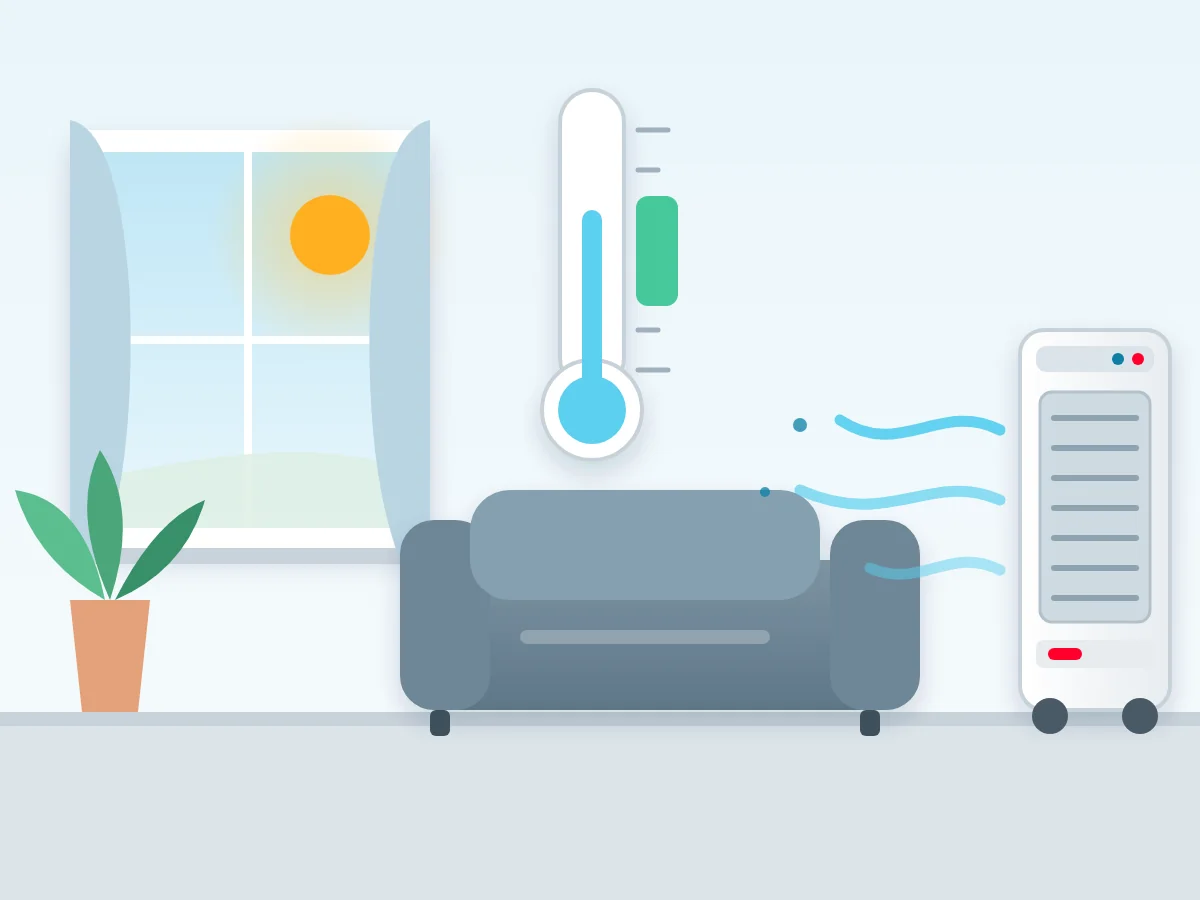
Every space built by people should provide an ideal environment for working, living and resting. What matters most for the comfort of any space is the condition of the air inside it. The most important factor is the air temperature, together with its humidity. The ideal temperature for people is 22 to 25 degrees Celsius. Architects and builders have always looked for ways to control the temperature of spaces using a variety of devices, so as to provide the ideal environment. One of the most important ways to achieve this is to choose the right air conditioning for each space.
22–25 °C
Advantages at a glance
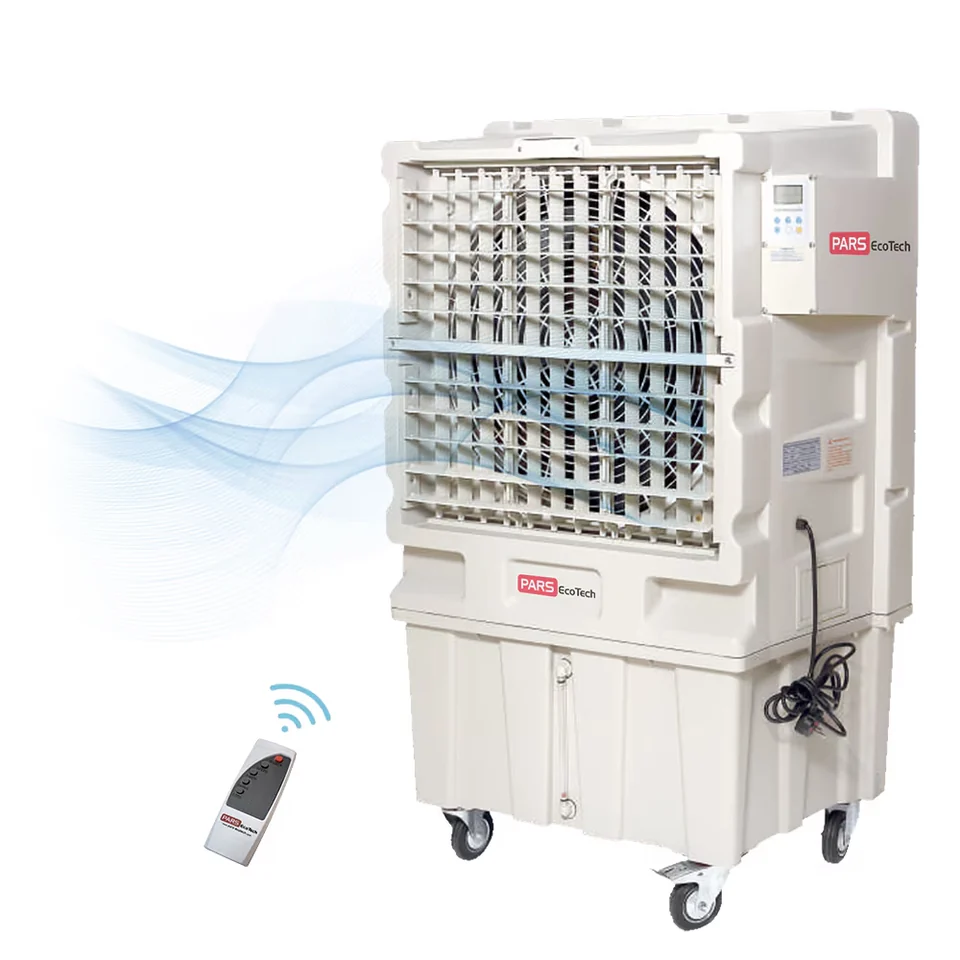
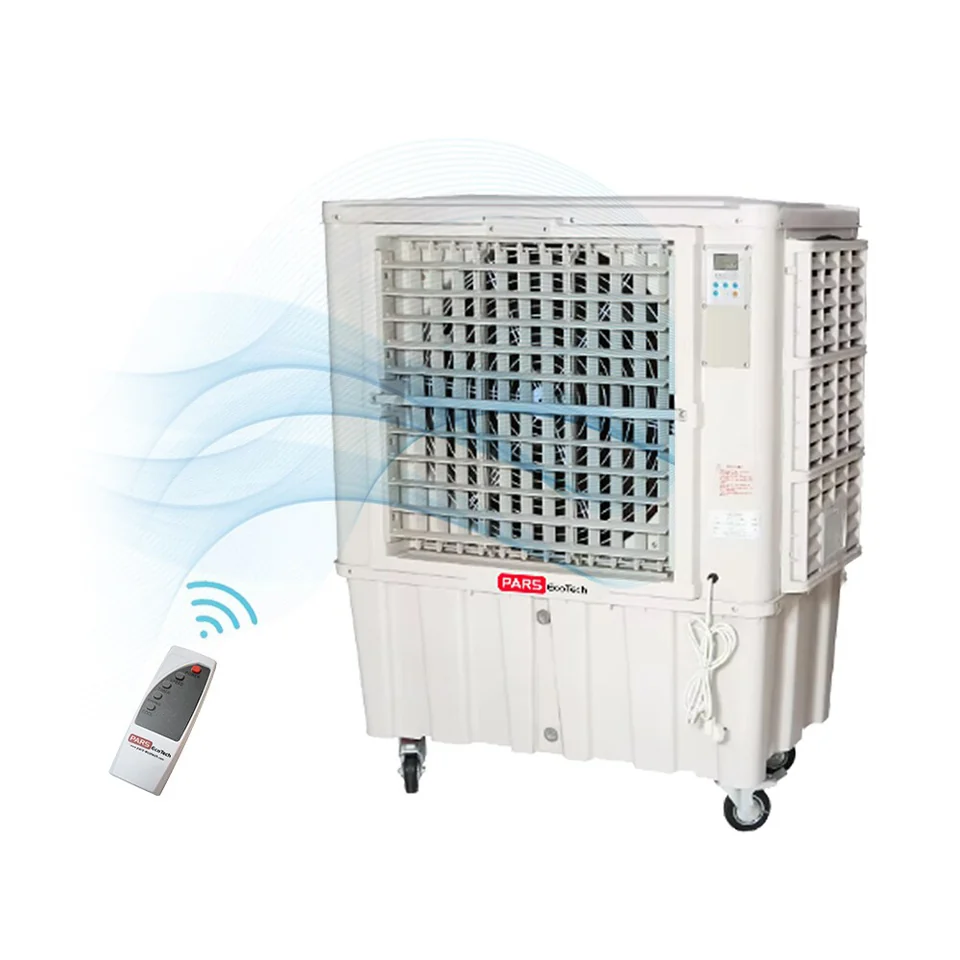
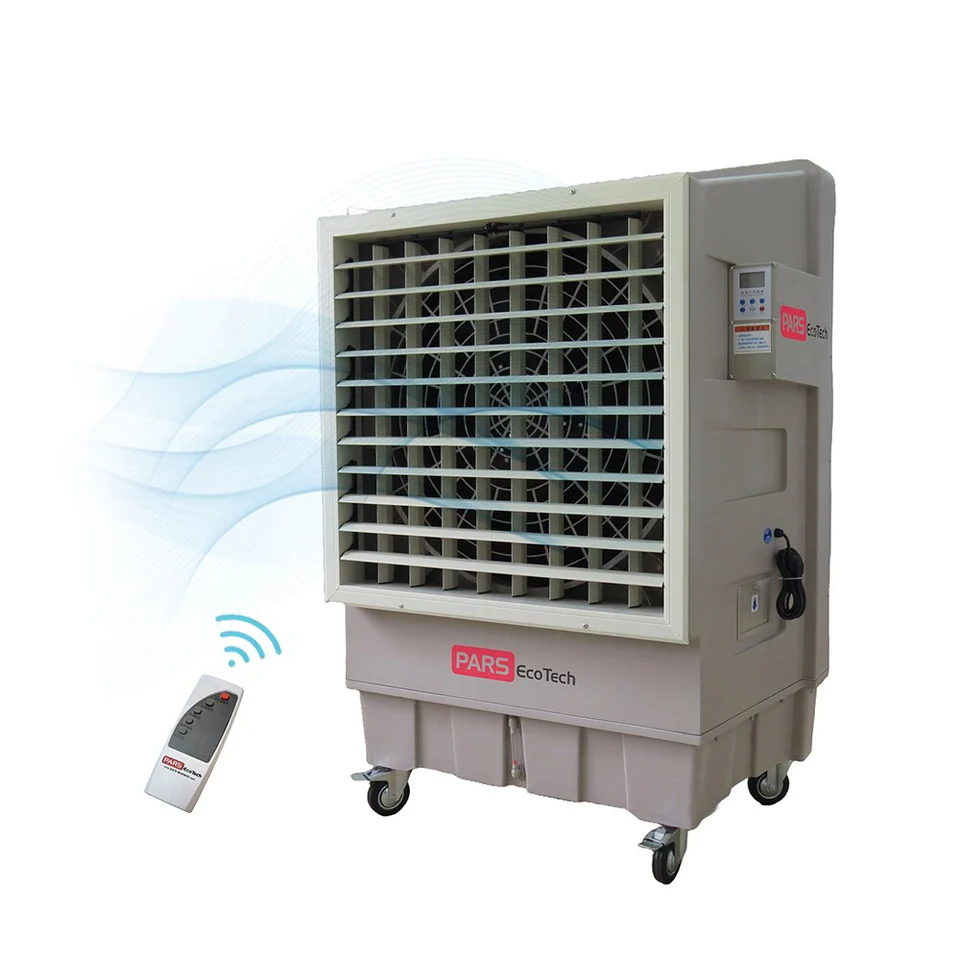
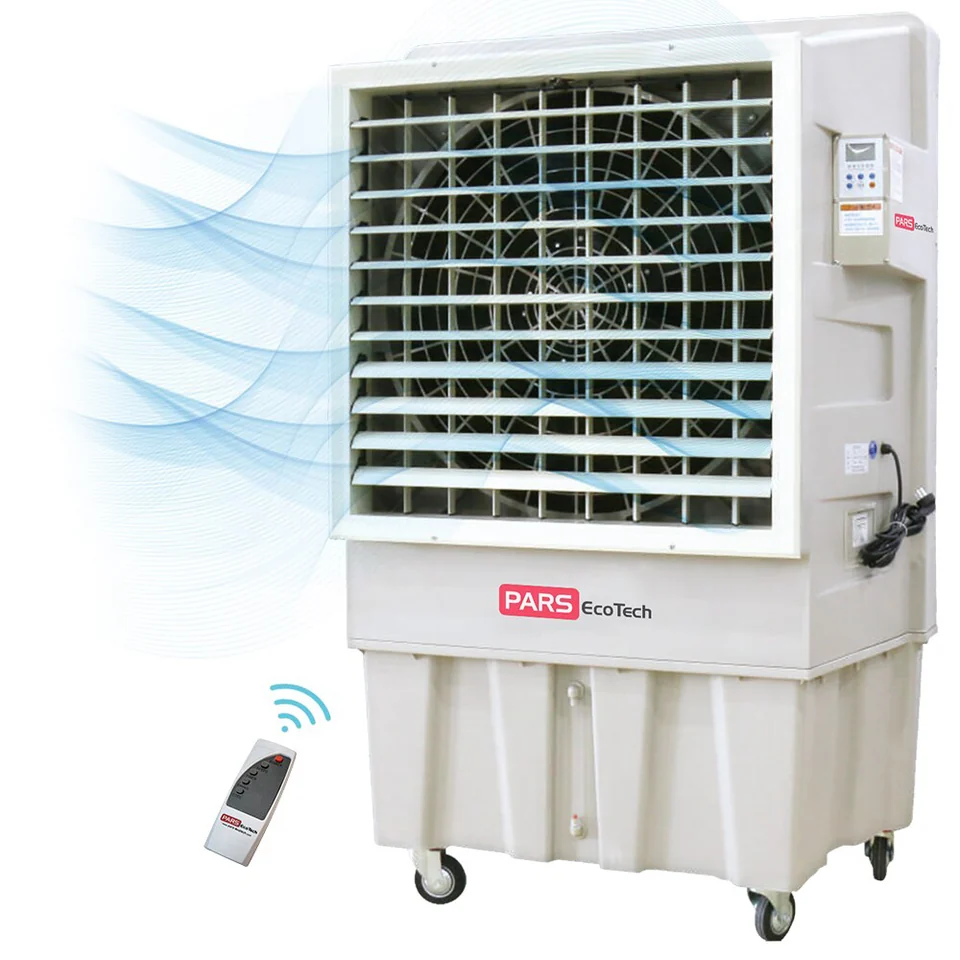
An ideal solution for constant cooling in open or semi-open spaces, without the high costs of conventional air conditioning. PARS EcoTech technology that turns hot air into a cool, natural breeze.
This translation is provided for convenience only. The Spanish version is the legally binding one.
Low power consumption: from just 220 W (ECOwall model) up to 1,500 W.
Maximum running savings: the most economical option for large spaces.
Certified performance: technology chosen by the University of Málaga for low-energy projects.
Versatility and ease of use
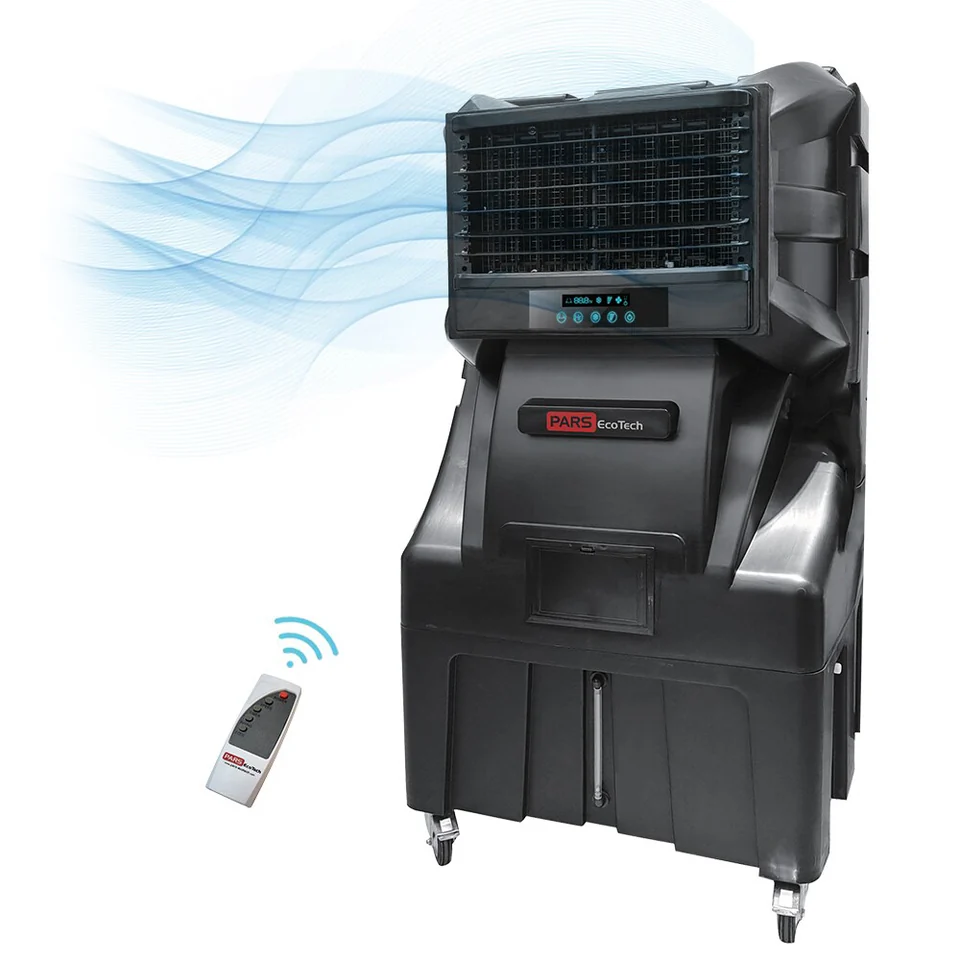
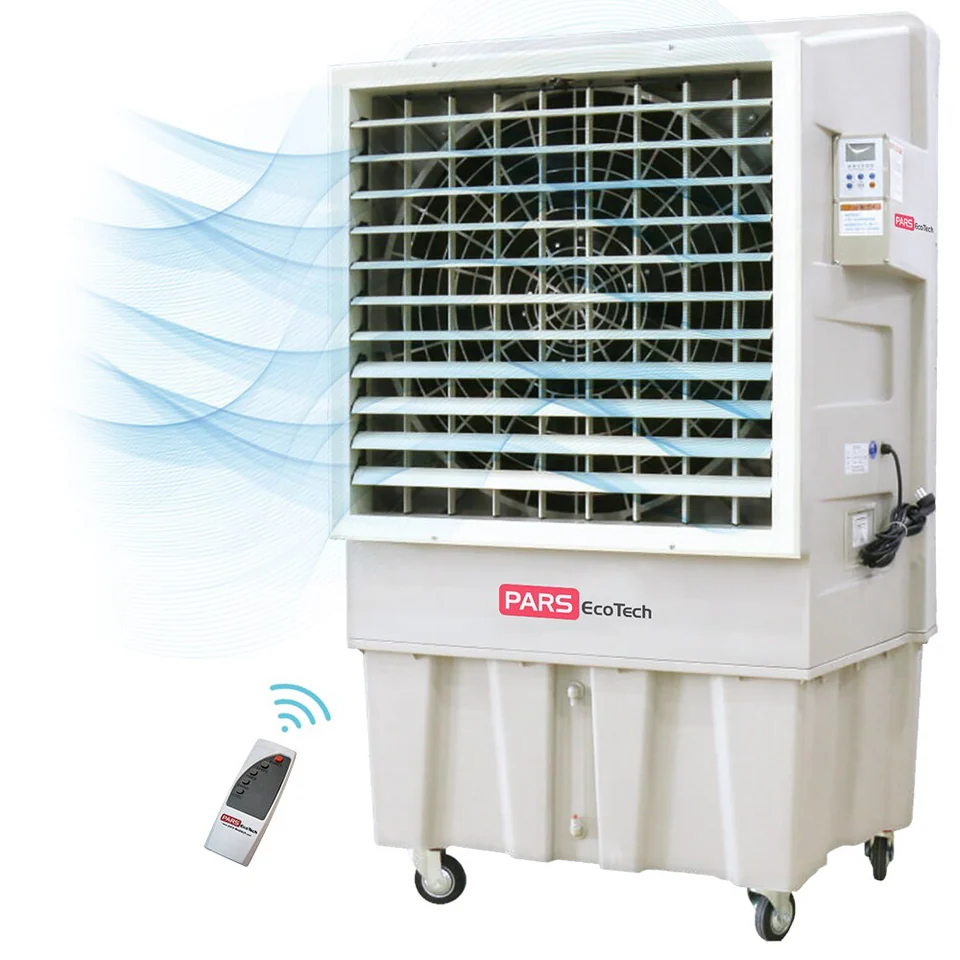
Portable, no installation: units on wheels: plug in and cool, no building work.
Easy maintenance: built to last and simple to clean.
Wide range of coverage: models from 50 m² (ECOsport-5000) to 280 m² (ECO-26000).
All the advantages at a glance
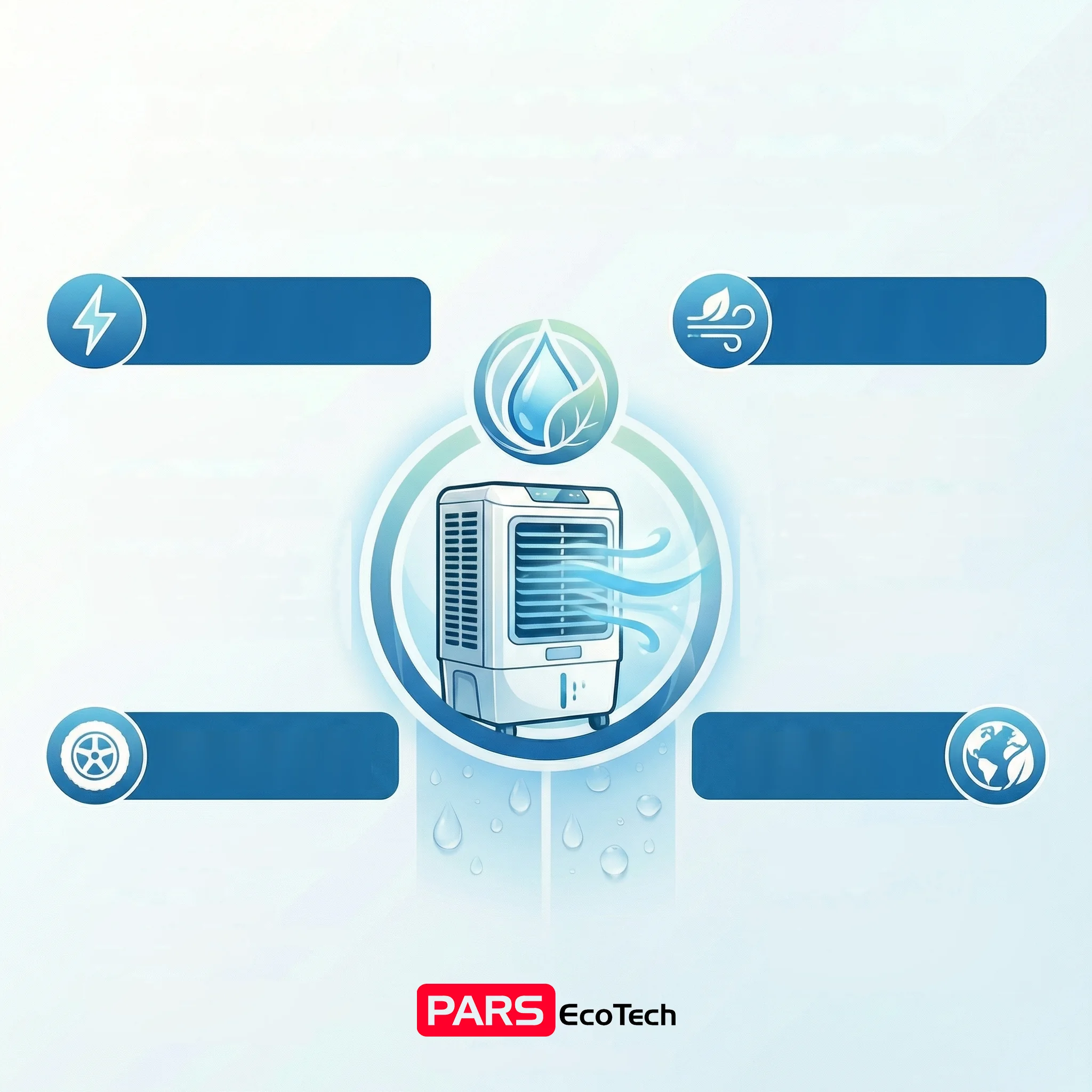
Cool smartly, save and look after the planet
Health and indoor comfort
Constant fresh air (not recirculated): renews the air continuously for a healthy, clean atmosphere.
Ideal for open spaces: perfect for terraces, warehouses, workshops and homes with constant ventilation.
Better quality of life: creates a cool, humid atmosphere and prevents dryness.
Eco-friendly approach
100% sustainable alternative: uses natural evaporation processes.
Lower CO2 footprint: minimises emissions thanks to very low energy use and no chemical refrigerant gases.
Energy and water saving
Why do they use so little energy?
Air conditioning is expensive and is sold to consumers at a high price. Unfortunately, the monthly bill is a significant part of the cost of running a home, an office or a workshop. That is why everyone is now looking for ways to cut energy use, and different devices are designed and launched on the market every day for that purpose. For example, old light bulbs are now easy to replace with LED bulbs because they use so little power. But what about low-energy air conditioning? How many times have you wanted to switch on the cooler but held back for fear of the electricity bill? How many times have you seen workplaces or homes that have installed a cooler but prefer not to switch it on because of the high electricity bill? We have a solution for you. From now on, you can switch on your own PARS EcoTech cooler and never switch it off.

How much power do these air coolers use?
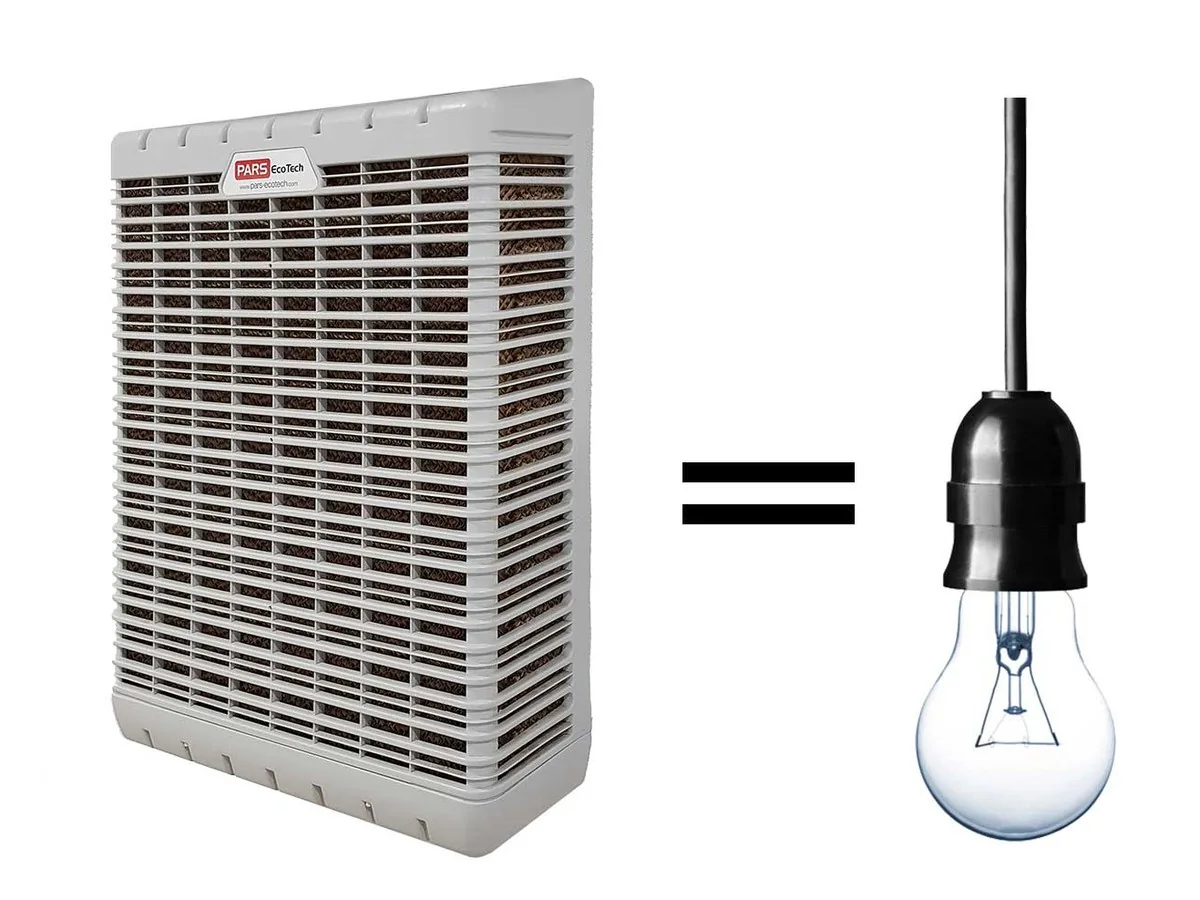
Remarkably little: up to 90% less than conventional air conditioning. For example, a cooler for 70–100 square metres uses about as much energy as one or two light bulbs.
- up to −90%
- 70–100 m² = 1–2 light bulbs
How much water do these air coolers use?
Very little. For example, on the hottest day of the year and during the hottest hours of the day, it is around 8 to 10 litres per hour, about the same as one flush of the toilet.
8–10 L/hWater consumption
Will it save you money?
So the question is: can a cooling technique that has existed for centuries be effective in a high-tech society like today’s? Not only can it provide effective cooling solutions, it can do so without harming the environment, with no ozone-depleting chemicals. That sounds like a smart choice for anyone.
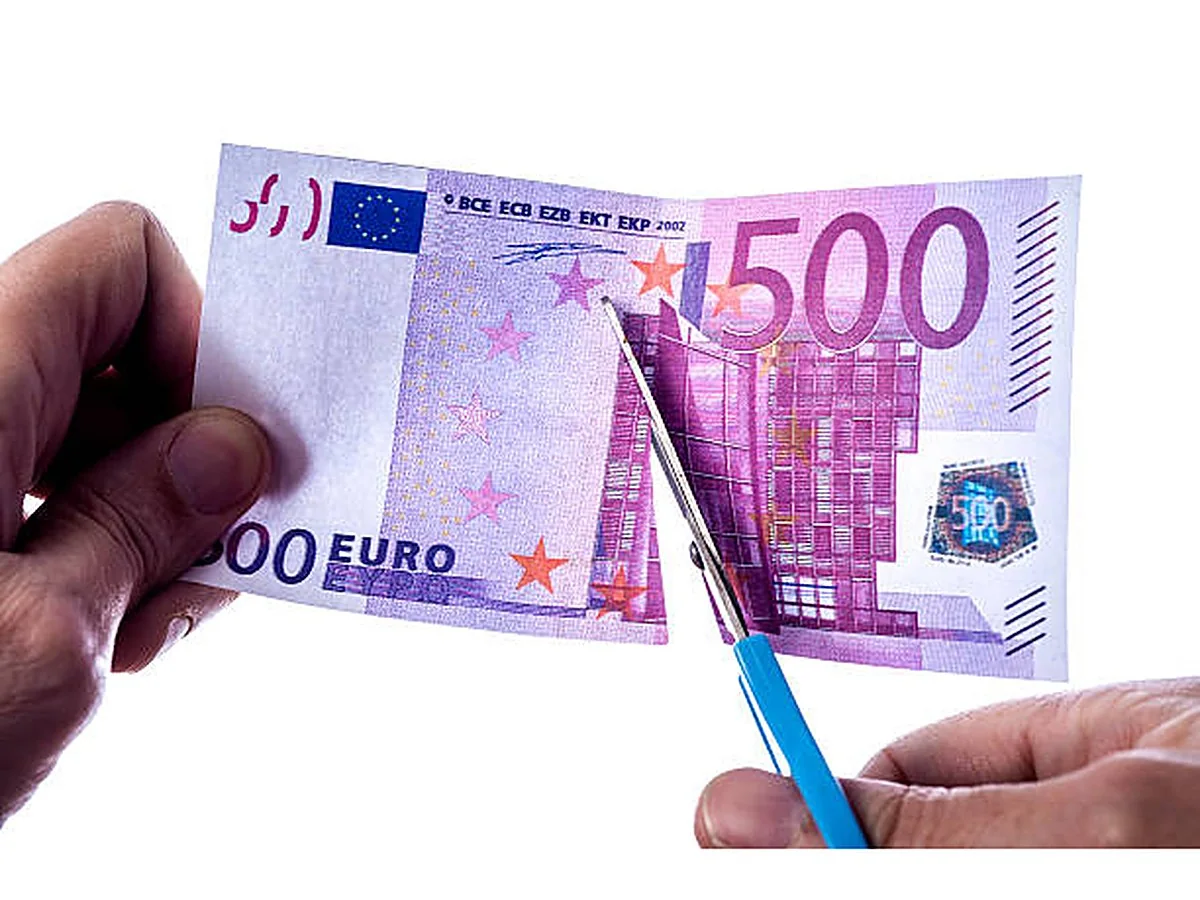
What is more, because the evaporative cooler has no compressor and uses only a fan and a small water pump, its running costs are much lower than those of a conventional air conditioner.
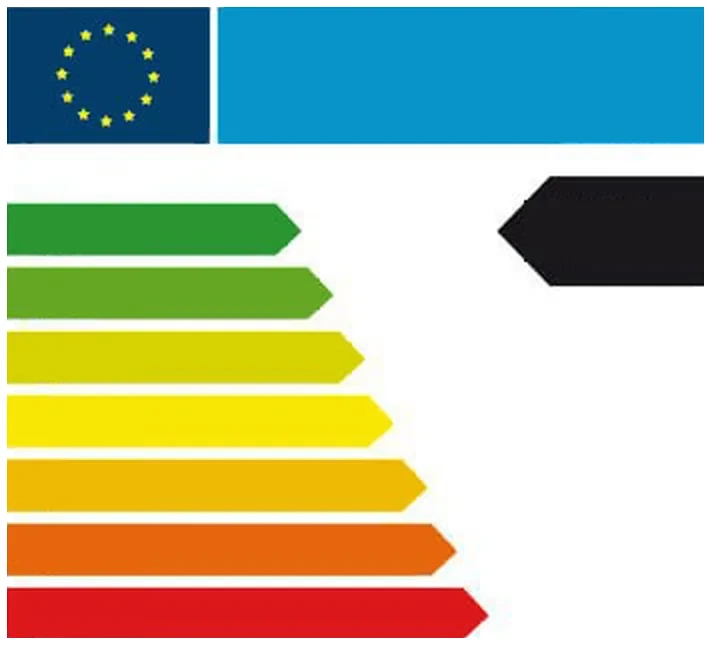
Energy
A+++
Energy efficiency class
A+++
Fresh air and health
Do these coolers have other advantages besides low energy use?
Yes. The biggest benefit of this cooling system is that the air in your space is constantly replaced with fresh air. Fresh air comes in from outside, is cooled and is delivered indoors; the warm air then leaves through the window, which ensures perfect ventilation. This matters a great deal for your health, because other types of air conditioning only recirculate the air inside, and after a few hours dryness and headaches can appear.

Do the windows have to be closed while these coolers are running?
No. The biggest advantage of these coolers is that doors and windows can be left open and the air keeps flowing. For the best effect, though, only one window or door in the whole space should be open, so that the air escapes through it and the whole space cools evenly.
Do these coolers freshen the air?
Yes, because new air is constantly entering the space. There is plenty of oxygen in the space. Odours and pollution (tobacco smoke, cooking smells and other odours) are quickly carried away. The air is non-toxic and odourless. This reduces the growth of microbes and bacteria in the space.

Do these coolers create humidity?
Yes. These coolers humidify the air as they cool it, which is very good for your health and for breathing.
Can this humidity be a nuisance?
No, because the indoor air is constantly renewed: fresh air keeps coming in and stale air leaves through the window, so the indoor humidity does not build up. Even so, in very humid conditions, on days or during hours when the air humidity is above 80%, you can switch off the water pump to stop moisture building up.
- > 80% humidity: switch the pump off

Maintenance and the environment
What care and maintenance do these coolers need?
Very simple. They need little maintenance or servicing. There is no compressor. There is no gas. Spare parts are very cheap and very easy to replace.
- No compressor
- No gas
- Very cheap spare parts
Environmentally friendly
PARS EcoTech evaporative air coolers cool using natural elements: water and air. They have no compressor and use no refrigerant gases, so they release nothing that harms the ozone layer or the environment. Their low energy use also reduces the electricity bill and carbon footprint of your space.
- No compressor
- No gas
- Natural elements

Is it good for the environment?
Conventional air conditioners dry out the air and use chemicals that can harm the environment if released into the atmosphere. Evaporative cooling, by contrast, relies on an entirely natural process of air cooled by water, which means it does not dry out the air, does not irritate the skin, throat or eyes, and has no effect on the environment.
Evaporative cooling is one of the healthiest ways to cool because it replaces stale air with clean, fresh air in a very short time. Remember that you will keep your doors and windows open: the air is renewed, removing bad odours and airborne germs.

Which spaces it suits
Are these coolers only used in the home?
No. Many of these coolers are industrial and commercial models, used in agriculture, greenhouses, factories and industrial warehouses, livestock, stables and barns, poultry farms and dairy farms. In many of these spaces, and in outdoor or open areas too, conventional air conditioning does not work well: the evaporative air cooler is the most effective and economical solution.
They are also increasingly used in public spaces that attract large crowds: sports halls and gyms, schools and universities, events and public gatherings, stands and trade fairs, festivals, and restaurant and bar terraces. These are large, open spaces, or spaces with doors and windows left open, where conventional air conditioning is expensive and ineffective.
With evaporative cooling, the air is constantly renewed and freshened using little energy, without having to close off the space.
They are also easy to install or move, so they suit both permanent installations and temporary activities such as trade fairs and events.
- agriculture
- greenhouses
- factories
- industrial warehouses
- livestock
- stables and barns
- poultry
- dairy farms
- outdoor spaces
- sports halls and gyms
- schools
- universities
- events and public gatherings
- stands and trade fairs
- festivals
- restaurant and bar terraces